
Embark on an epic and complete 9-day journey that weaves a grand loop from the capital, Rabat, immersing you in everything Morocco has to offer. This tour is designed to showcase the country's incredible diversity, from imperial history to desert magic and the energy of Marrakech.
Highlights
- ✦A complete circuit that starts and ends in Rabat.
- ✦Explore all 4 imperial cities: Rabat, Meknes, Fes, and Marrakech.
- ✦Two nights in the Merzouga desert for an immersive experience, with camel ride and 4x4.
- ✦Visit UNESCO sites: Ait Ben Haddou, Volubilis, and the medinas of Fes and Marrakech.
- ✦Local guides in Fes and Marrakech for deeper insight.
- ✦A balanced itinerary combining travel, culture, and adventure.
Detailed Itinerary
Day 1: Rabat → Meknes → Volubilis → Fes
We leave Rabat after breakfast and drive east across the fertile Saïss plain toward Morocco's imperial heartland. In Meknes, the ambitions of Sultan Moulay Ismail — who reigned for 55 years and modelled his capital partly on Versailles — are still visible in the vast fortified walls and monumental ceremonial gates. The Bab Mansour, completed in 1732 and considered the finest imperial gate in Morocco, is encrusted with intricate geometric zellige tilework and flanked by marble columns plundered from the Roman city of Volubilis just a few kilometres north. At Volubilis, a UNESCO World Heritage Site, we walk among remarkably preserved mosaic floors, a triumphal arch, and the outlines of a Roman forum, Capitol, and basilica that once served a thriving provincial city of some 20,000 inhabitants in the 2nd and 3rd centuries AD. We arrive in Fes by late afternoon and check into our riad as the last light leaves the medina's rooftops.
Day 2: Guided Tour of Fes
We spend the full day exploring the ancient medina of Fes with a local expert. Fes el-Bali is a UNESCO World Heritage Site and arguably the most complete surviving medieval Islamic city in the world — its layered history, dense urban fabric, and traditions of scholarship, craft, and commerce have remained essentially unchanged for centuries. We visit the Bou Inania Madrasa, a 14th-century theological college whose interior court is among the most beautifully decorated spaces in North Africa, with carved cedar, white marble, and zellige tilework rising floor by ceiling. The famous Chouara tannery, viewed from leather-shop galleries above, presents a vivid and ancient scene: hundreds of stone vats filled with saffron, cobalt, and henna dyes, with workers treading hides using techniques unchanged for over a thousand years. We pass through the souk of the brass-beaters, the dyers' lane, and the quarter around the Kairaouine Mosque — the world's oldest continuously operating university, founded in 859 AD.
Day 3: Fes → Ifrane → Merzouga Desert
Today we head south through a succession of dramatically different landscapes. We climb into the cedar-forested Middle Atlas, where the town of Ifrane — its chalet-roofed houses and manicured parks built at 1,650 metres during the French Protectorate — serves as an incongruous but delightful stop. The cedar forests near Azrou are home to wild Barbary macaques that often descend to the roadside, the only wild primate species in North Africa. We descend through the Ziz Gorges, a canyon of extraordinary colour whose river feeds an oasis of date palms stretching over 150 kilometres through the Tafilalet valley below. The land dries into the pre-Saharan zone as we approach Merzouga, and the great orange dunes of Erg Chebbi rise suddenly at the horizon. Camels await at the edge of the sand sea for a sunset ride into the dunes, arriving at our Berber camp for a dinner of slow-cooked tagine, drumming music, and a night under an extraordinary desert sky.
Day 4: Merzouga Desert Exploration
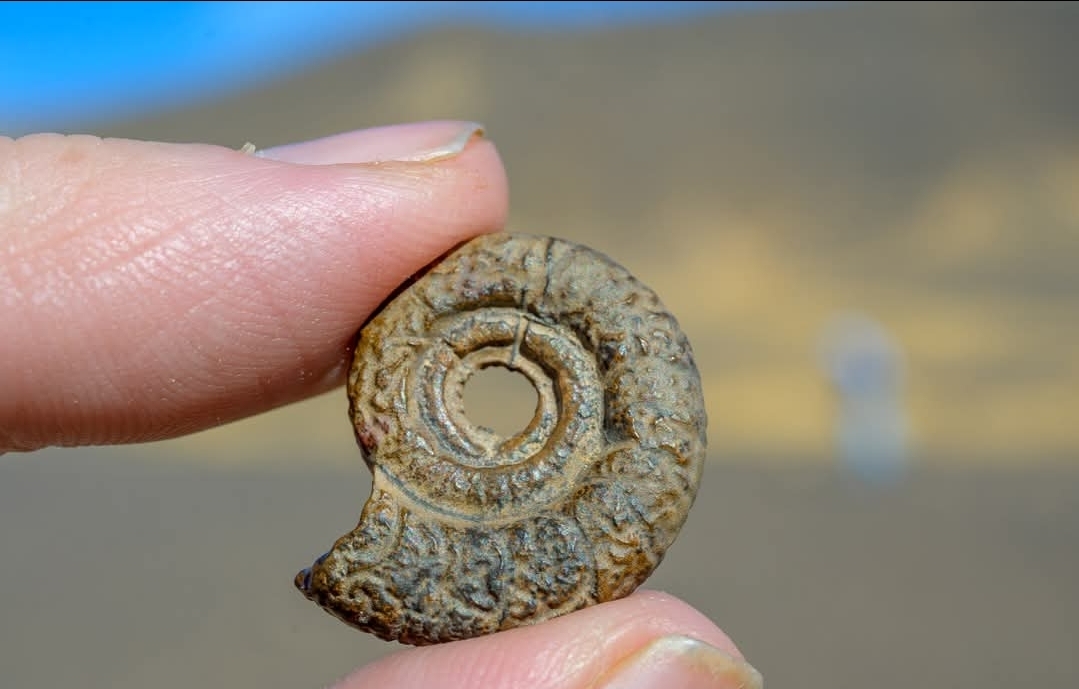
A full day to discover the secret landscapes of the Sahara by 4x4. We venture deep into the desert, visiting the village of Khamlia, a small settlement whose inhabitants are descendants of sub-Saharan communities brought to Morocco centuries ago and who maintain a living tradition of Gnawa music — a hypnotic, rhythmic form of music and ceremonial practice rooted in spiritual healing. We meet nomadic Berber families in their encampments at the edge of the dunes and learn about life in the Sahara: how water is sourced, how camels are managed, and how the desert seasons determine daily rhythms. We explore the fossil-rich terrain south of Merzouga where trilobites, ammonites, and orthoceras fossils erode naturally from ancient seabed rock, and we spend the afternoon relaxing at camp before a second magical night in the dunes.
Day 5: Merzouga → Todra Gorges → Dades Valley
After the sunrise ritual that has now become a morning highlight of the trip — watching the Erg Chebbi dunes change colour through amber, rose, and gold — we break camp and drive westward across the pre-Saharan plains. The Todra Gorge is one of Morocco's most spectacular geological features, a narrow canyon carved through the High Atlas limestone with walls rising nearly 300 metres and narrowing at the tightest point to just a few metres across. The Todra River runs cold and clear along the canyon floor, and the gorge is popular with rock climbers who come from across Europe to tackle its sheer faces. We walk the lower section, then continue west along the Road of a Thousand Kasbahs, passing the Skoura palm grove, the Valley of Roses, and a succession of ancient earth-brick fortresses before arriving in the dramatic Dades Valley, cradled between wind-carved red cliffs, for dinner and overnight.
Day 6: Dades Valley → Ouarzazate → Ait Ben Haddou → Marrakech
We drive west across the pre-Saharan steppe to Ouarzazate, known internationally as the gateway to the desert and as Morocco's film city — Lawrence of Arabia, The Last Temptation of Christ, and Game of Thrones have all been filmed in the region. We visit the Taourirt Kasbah, a 19th-century fortified palace of the powerful Glaoui family, before continuing to Ait Ben Haddou — a UNESCO World Heritage Site that is among the most photographed places in Morocco. This ancient ksar of rammed earth, decorated pisé towers, and granaries rises in dramatic tiers above the Ounila River, still occupied by a small number of resident families who maintain its traditional earthen architecture. We cross the river on foot, explore its intimate interior lanes, and climb to the summit for panoramic views, then begin the dramatic ascent to Tizi n'Tichka, Morocco's highest paved pass at 2,260 metres, before descending to Marrakech.
Day 7: Guided Tour of Marrakech
A local guide shows us the secrets of the Red City, founded in 1062 by the Almoravid dynasty and one of the great imperial capitals of the Islamic world. Marrakech's medina — enclosed within 19 kilometres of rose-coloured pisé walls — has been a UNESCO World Heritage Site since 1985. We visit Jemaa el-Fnaa, the vast public square at the medina's heart that UNESCO has recognized as a Masterpiece of the Oral and Intangible Heritage of Humanity, animated by storytellers, musicians, acrobats, and food vendors in an ever-shifting daily theatre. The Bahia Palace, built for a powerful 19th-century grand vizier, spreads across eight hectares of carved plaster courts and painted ceilings. The Saadian Tombs — a royal necropolis of exquisite carved marble and stucco sealed by a later dynasty and only rediscovered in 1917 — provide a moving encounter with the city's layered past. We finish in the souk quarter, moving through the dyers', metal-workers', and leatherwork sections.
Day 8: Marrakech → Casablanca → Rabat
We enjoy a free morning in Marrakech — perhaps the Majorelle Garden, a hammam, or simply a final wander through the souks — before setting off north toward the Atlantic coast. In Casablanca we stop at the Hassan II Mosque, one of the largest mosques in the world and a monument of modern Moroccan craftsmanship: completed in 1993 on a promontory over the Atlantic, its 210-metre minaret is the tallest religious tower in the world and visible from far out at sea. The prayer hall, built partly over the ocean with a retractable glass floor, can accommodate 25,000 worshippers. We walk the Corniche promenade along the shoreline before continuing north to Rabat, Morocco's unhurried and elegant capital, arriving in the afternoon for a final night in a medina riad.
Day 9: Departure from Rabat
After breakfast, and depending on your flight time, you will have free time before we transfer you to the airport, concluding our grand tour.
This loop is designed to reveal Morocco gradually, moving from imperial history to desert silence and back to the Atlantic capital with a natural, enjoyable rhythm. Each stage gives you time to appreciate both the major landmarks and the atmosphere between them.
Accommodation has been selected to combine comfort with local character, from medina riads to peaceful hotels and a memorable desert camp under the stars. We work with hosts who understand how to make the journey feel personal and welcoming.
Meals included on the route highlight Moroccan regional variety, with tagines, couscous, fresh salads, and Berber specialties appearing across different stops. Whenever possible, we favor family-run restaurants and authentic local settings.
Road days are treated as part of the adventure rather than simple transfers. Scenic pauses, short walks, market stops, and panoramic viewpoints are included so the changing landscapes become one of the pleasures of the trip.
Because this is a private circuit, it can easily be adapted to your pace. If you want extra time in the desert, a slower return to Rabat, or upgraded lodging, we can tailor the experience around your priorities.
What's Included?
- Private transportation throughout the circuit.
- English-speaking driver/guide.
- 8 nights of accommodation in riads/hotels and a desert camp.
- Dinners and breakfasts as per itinerary.
- Camel ride and 4x4 excursion.
- Local guides in Fes and Marrakech.
What's Not Included?
- Flights, lunches, and drinks.
- Monument entrance fees.
- Tips and personal expenses.
FAQs
Is this tour very intense? It is a very complete tour covering long distances, but it is designed with regular stops and a two-night desert stay for a balanced, enjoyable experience.
Is this tour a good option for my first time in Morocco? Absolutely. If you arrive and depart from Rabat, this circuit offers a very complete view of Morocco's culture, history, and most famous landscapes.