
Embark on an unforgettable 7-day journey that weaves a route from the spiritual capital, Fes, to the vibrant "Red City" of Marrakech. This tour is a deep immersion in Morocco's diversity, combining the rich history of its imperial cities with the epic Sahara Desert adventure, spectacular gorges, and film-worthy kasbahs.
Highlights
- ✦Connect the two most famous imperial cities: Fes and Marrakech.
- ✦Two nights in the Merzouga desert region for a full experience.
- ✦Camel ride and overnight in a luxury camp.
- ✦4x4 excursion to explore desert life.
- ✦Route through the Todra Gorges and the Dades Valley.
- ✦Visit the Kasbah of Ait Ben Haddou, a UNESCO World Heritage site.
- ✦Guided visit of Marrakech.
Detailed itinerary
Day 1: Fes → Ifrane → Cedar Forest → Merzouga (Hotel)
Our journey begins in Fes, departing the labyrinthine medina streets and heading south into the Middle Atlas Mountains. We stop first in Ifrane, a highland town at 1,650 metres that surprises most visitors with its red-tiled rooftops and wide, tree-lined avenues — built by the French Protectorate administration as a mountain retreat and now Morocco's premier ski destination in winter. A stone lion sculpture carved by a German prisoner of war during World War II sits in the central park as an unlikely local landmark. We continue into the cedar forest of Azrou, one of the last extensive cedar forests in North Africa, where Barbary macaques — the continent's only wild primate species north of the Sahara — descend from the canopy to approach travellers with unabashed curiosity. Crossing the Ziz Valley's dramatic palm-lined gorge and the Tafilalet plain, the vegetation gradually disappears and the great orange mass of the Erg Chebbi dune field materialises on the horizon near Merzouga. We check into a comfortable hotel at the foot of the dunes, perfectly positioned for the desert explorations that begin tomorrow.
Day 2: Desert exploration → Camp night
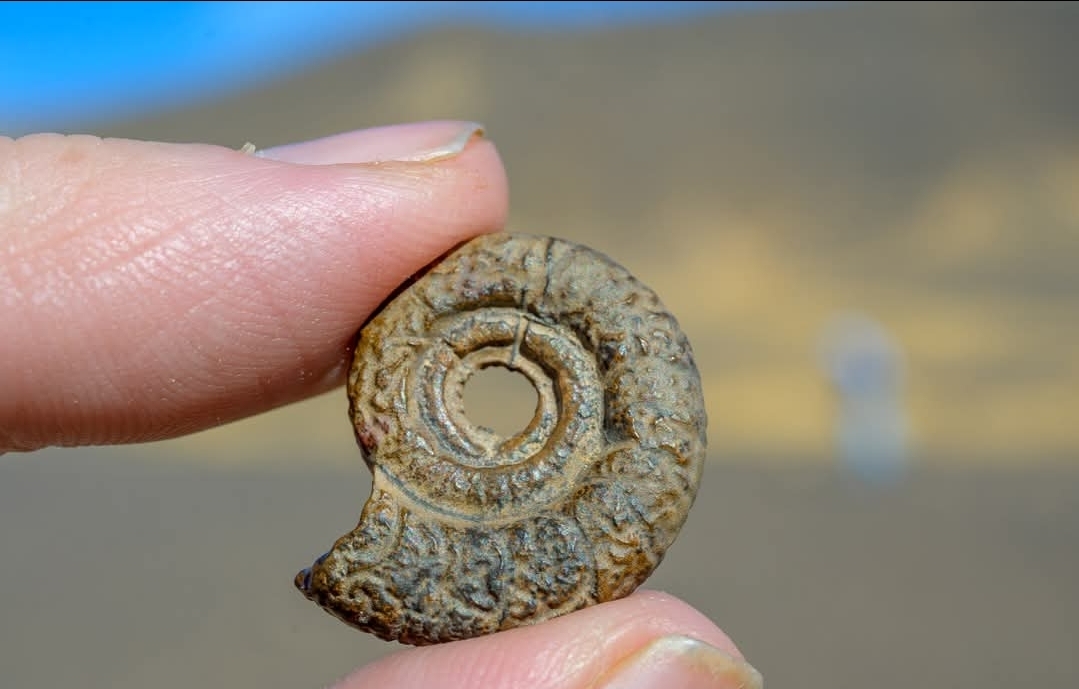
Today is dedicated entirely to the desert and the communities that have lived within it for generations. We board a 4x4 and head into the broader Merzouga region, first visiting the village of Khamlia, home to a community of Gnawa descendants whose ancestors were brought from sub-Saharan Africa along the old trans-Saharan caravan routes. The community preserves their musical heritage — a trance-inducing mix of percussive rhythms, iron castanets, and call-and-response singing — and we are welcomed for a performance that is genuinely unlike anything heard elsewhere in Morocco. We then drive to visit a nomadic family in their seasonal encampment, sharing sweet mint tea in the shade of their tent and learning about the rhythms of desert life as the season dictates their movement across the landscape. We also stop to examine the rich fossil beds in the area — ancient sea creature fossils embedded in black limestone from a time when this desert was an ocean floor. In the afternoon, camels carry us up through the dunes as the sun descends and the sand turns ember-red, delivering us to our luxury camp for a starlit dinner.
Day 3: Merzouga → Rissani → Todra Gorges
We slip out of the camp before sunrise to climb a dune ridge and watch the light return to the Sahara — first a subtle brightening of the eastern horizon, then a slow sweep of gold across the rippled face of the dunes that builds in intensity until the entire erg is flooded with warm colour. After breakfast and a camel ride back to the village, we drive to Rissani, the historic oasis town that gave birth to the Alaoui dynasty — Morocco's ruling royal family since the 17th century. If our timing coincides with one of its three weekly market days, we wander through the covered souk where local Berber traders bring dates, live animals, hand-embroidered fabric, and enormous rounds of desert bread to trade and sell in scenes that have barely changed across the centuries. We then drive north and west toward the High Atlas, arriving at the Todra Gorges in the afternoon. The canyon — sheer walls rising 300 metres on both sides of a river barely ten metres wide — is best explored on foot as the afternoon light catches the upper cliff faces in warm pink and gold. We spend the night in a charming guesthouse at the entrance of the gorge.
Day 4: Todra Gorges → Dades Valley → Ouarzazate
We allow ourselves a tranquil morning walk further into the Todra canyon before the day's heat builds, the cold river water rushing over smooth boulders beside the path and the cliff walls narrowing dramatically at the gorge's innermost section. After breakfast we follow the Road of a Thousand Kasbahs westward through the Dades Valley — a scenic corridor of remarkable density where ancient mud-brick kasbahs and ksour, many still inhabited, rise from the valley floor at regular intervals against a backdrop of dramatic rose-red gorge walls and cultivated terraces of wheat and alfalfa. We stop at the rock formations in the upper Dades Gorge, sometimes called the "monkey fingers" or "hand of Ifri" for their uncanny resemblance to grasping stone hands emerging from the cliff — a popular spot for photographs and a short walk to appreciate the geology. We continue to Ouarzazate, the so-called "Hollywood of Africa," where the Atlas Film Studios have hosted productions including Gladiator, Kingdom of Heaven, The Mummy, and many more. We overnight in this quiet provincial city at the gateway to the pre-Saharan south.
Day 5: Ouarzazate → Ait Ben Haddou → Marrakech
We begin the morning with a visit to the Kasbah of Taourirt in the centre of Ouarzazate, a sprawling 19th-century royal kasbah that was once one of the largest inhabited earthen buildings in southern Morocco and whose restored sections give a vivid sense of the labyrinthine domestic life of a great desert clan. We then drive a short distance to our highlight of the day: the Kasbah of Ait Ben Haddou, a UNESCO World Heritage site since 1987 and one of the most photographed earthen architectures in the world. Perched dramatically above the dry Ounila River, this fortified ksar of rammed earth towers has stood for centuries as a waypoint on the old caravan road between the Sahara and Marrakech, and has featured in more international film productions than almost any other location in Morocco. We cross the river, explore the tiered lanes and rooftop terraces, and climb to the hilltop granary for panoramic views before beginning the long scenic drive north over the Tizi n'Tichka pass at 2,260 metres and down into the Haouz plain to reach Marrakech in the late afternoon.
Day 6: Guided visit of Marrakech
A dedicated local guide accompanies us for a full-day immersion into the secrets of the "Red City." We begin at Jemaa el-Fnaa, the pulsing heart of Marrakech and a UNESCO-listed intangible cultural heritage site — a vast, chaotic square filled with storytellers, acrobats, musicians, henna artists, and the irresistible scent of grilled food and orange blossom. From there we venture into the souks, a centuries-old labyrinth of narrow alleys where artisans craft copper lanterns, babouche slippers, argan cosmetics, and hand-woven carpets, each quarter specialising in its own trade. We visit Bahia Palace, a magnificent 19th-century riad complex with intricately carved stucco ceilings, painted cedar woodwork, mosaic tile courtyards, and fragrant gardens. We also explore the Saadian Tombs, a richly decorated royal necropolis of the 16th-century Saadian dynasty — sealed for three centuries and rediscovered in 1917 — and pass through the mellah, Marrakech's historic Jewish quarter, with its distinctive wrought-iron balconies. The afternoon is free to shop in the souks, sip mint tea on a rooftop café, or simply absorb the city.
Day 7: Marrakech → Airport transfer
After breakfast at your riad or hotel, and depending on your flight time, you will have the morning free for any last-minute shopping in the souks, a final Moroccan coffee at a medina café, or a quiet stroll in the Majorelle Garden — a botanical garden and former studio of French painter Jacques Majorelle, now associated with the Yves Saint Laurent Foundation and famous for its vivid cobalt-blue pavilions and rare collection of cacti and exotic plants. At the agreed time we transfer you to Marrakech Menara Airport for your departure, bringing this south-to-south journey from the spiritual capital of Fes to the vibrant Red City to a satisfying close.
What is included?
- Private transport throughout the journey.
- English-speaking driver/guide.
- 6 nights of accommodation (riads/hotels and a luxury camp).
- Dinners and breakfasts as per itinerary.
- Camel ride and 4x4 excursion.
- Local guide in Marrakech.
What is not included?
- Flights, lunches, and drinks.
- Monument entrance fees.
- Tips and personal expenses.
Why choose this tour?
This 7-day itinerary offers a more relaxed pace to enjoy the classic route between Fes and Marrakech. With more time in the desert and well-planned intermediate stops, it is ideal for travelers who want to savor each stage without rushing, combining culture, adventure, and comfort.